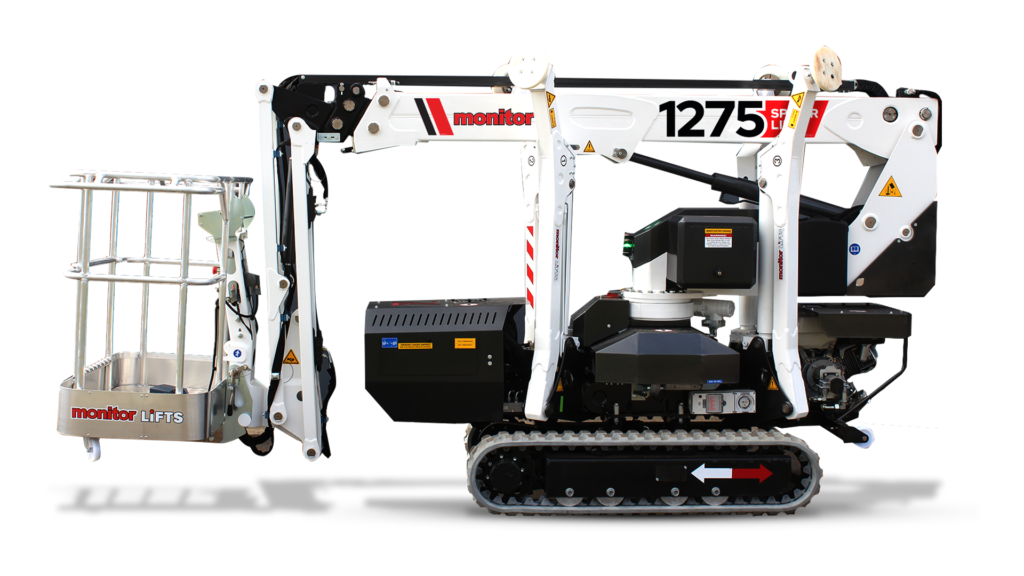
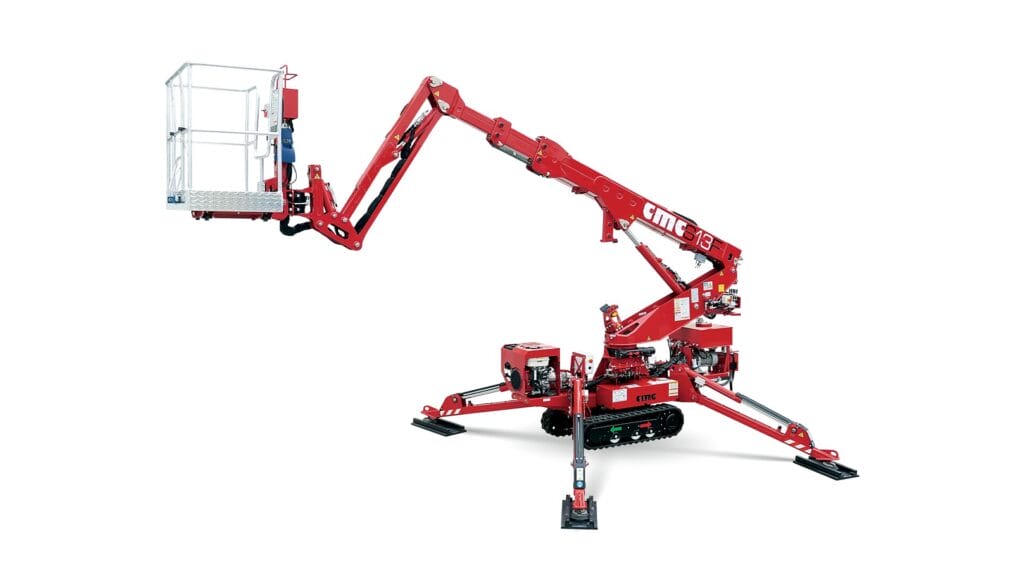
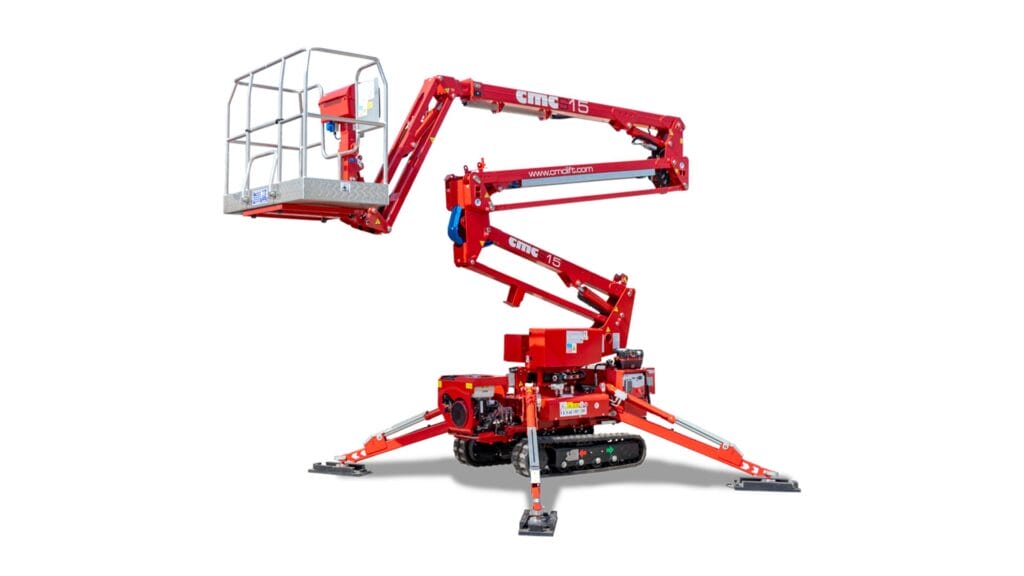
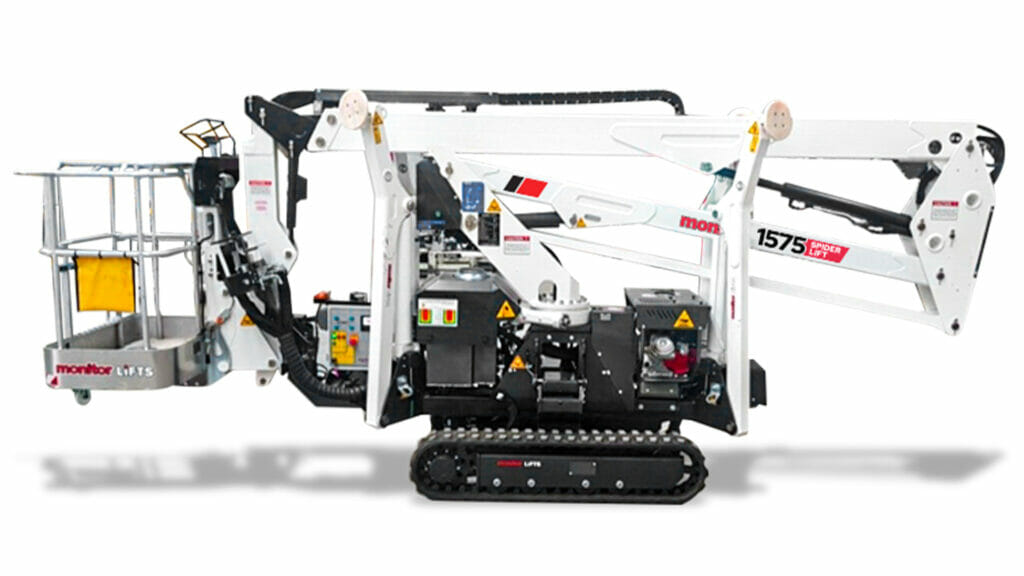
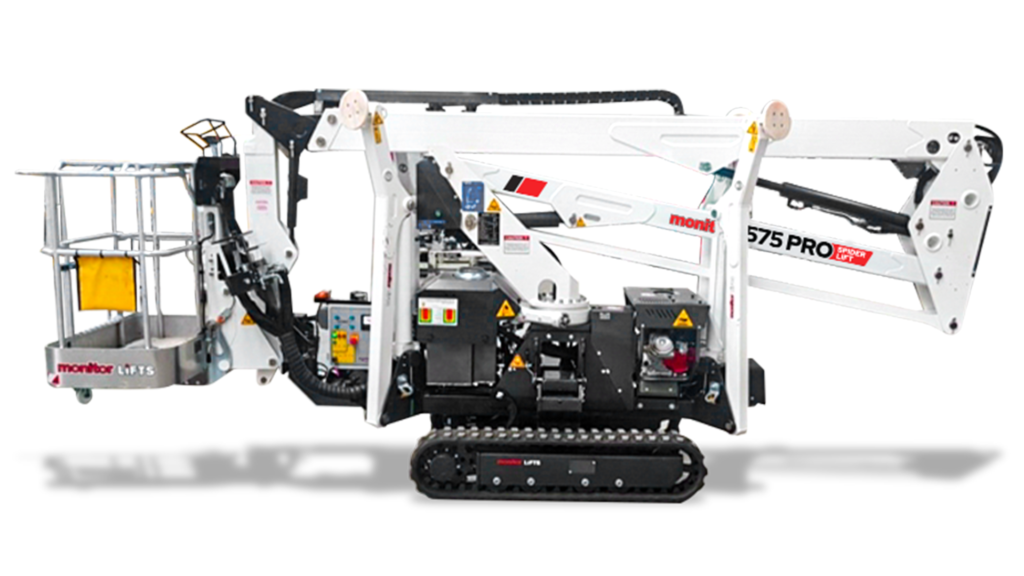
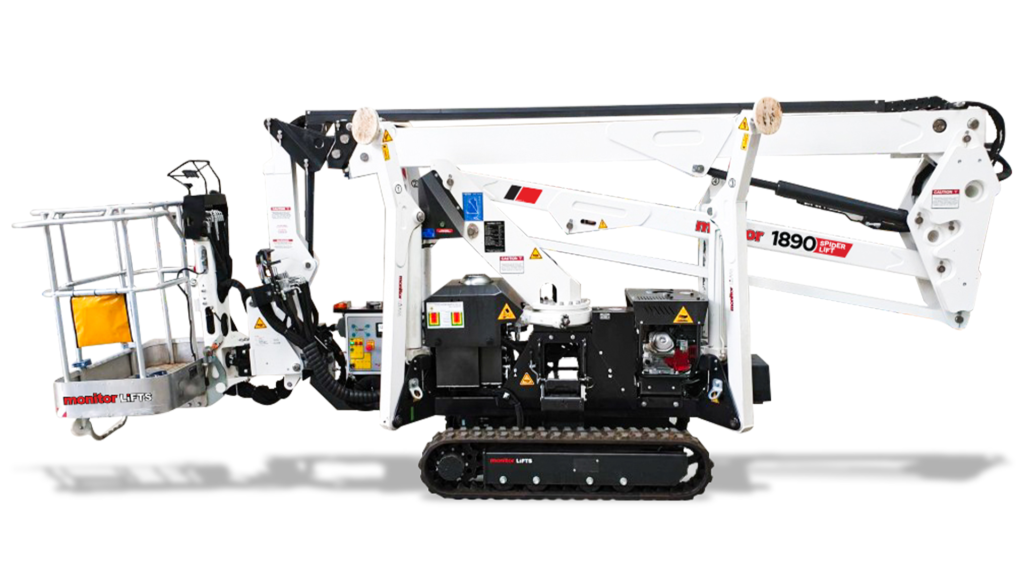
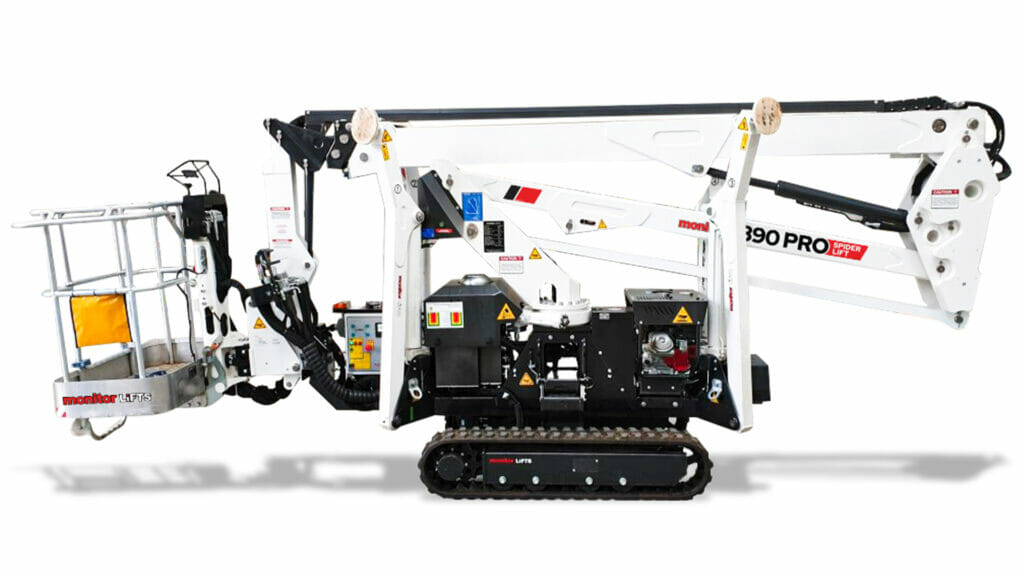
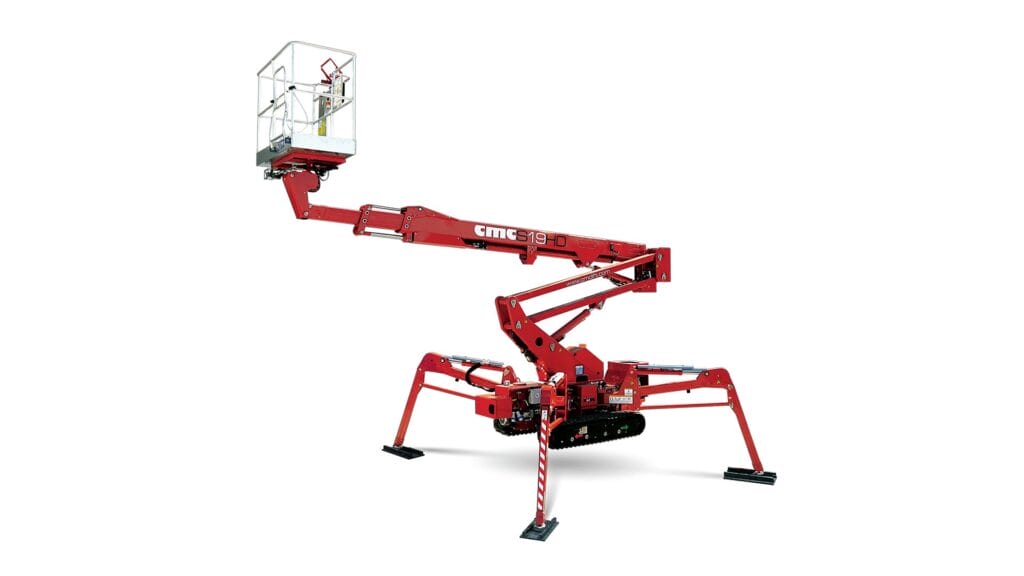
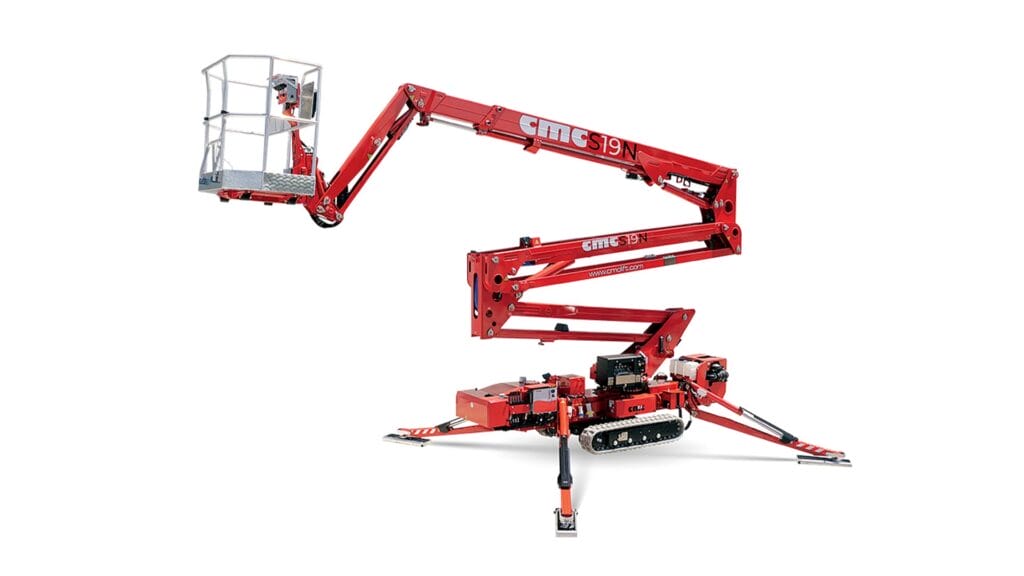
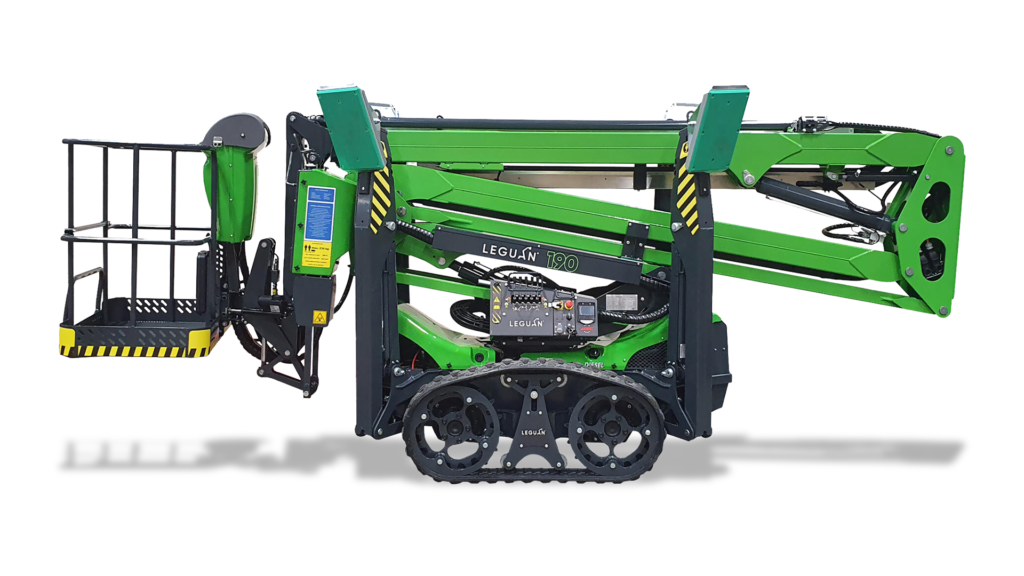
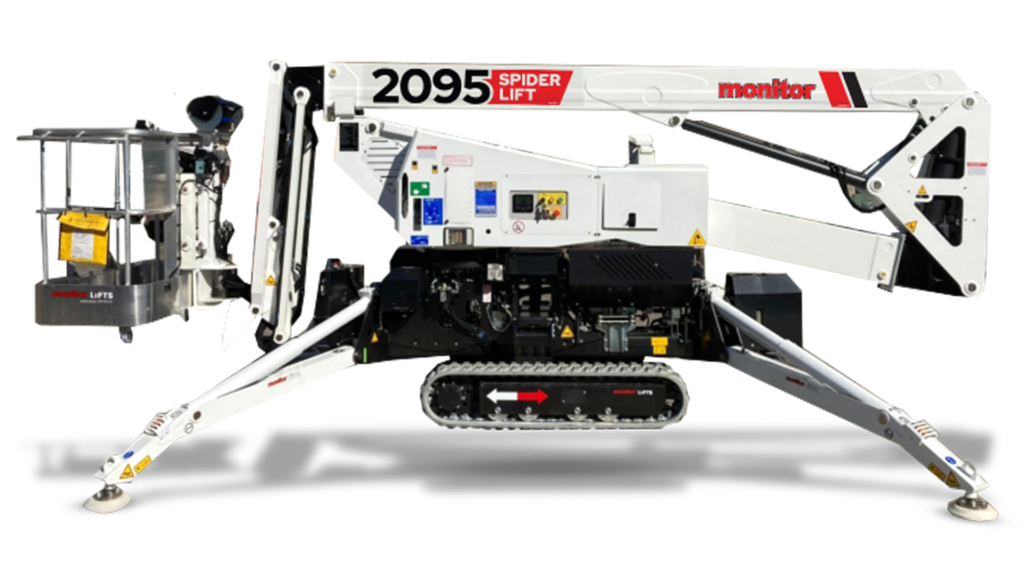
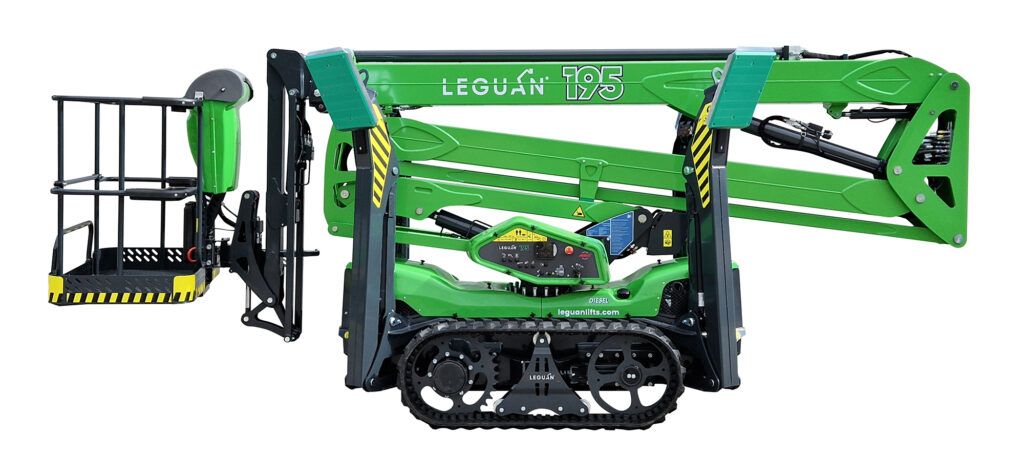
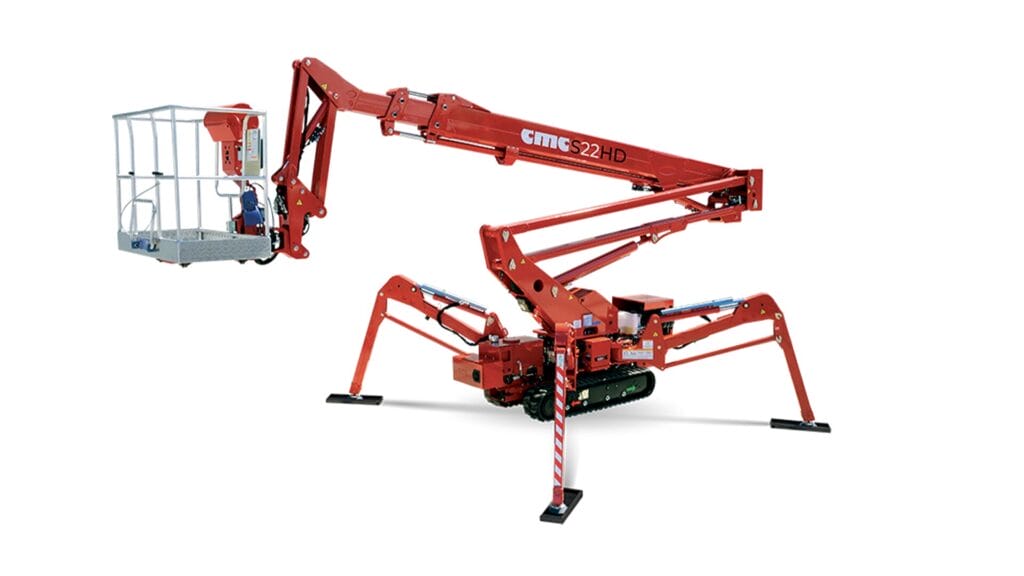
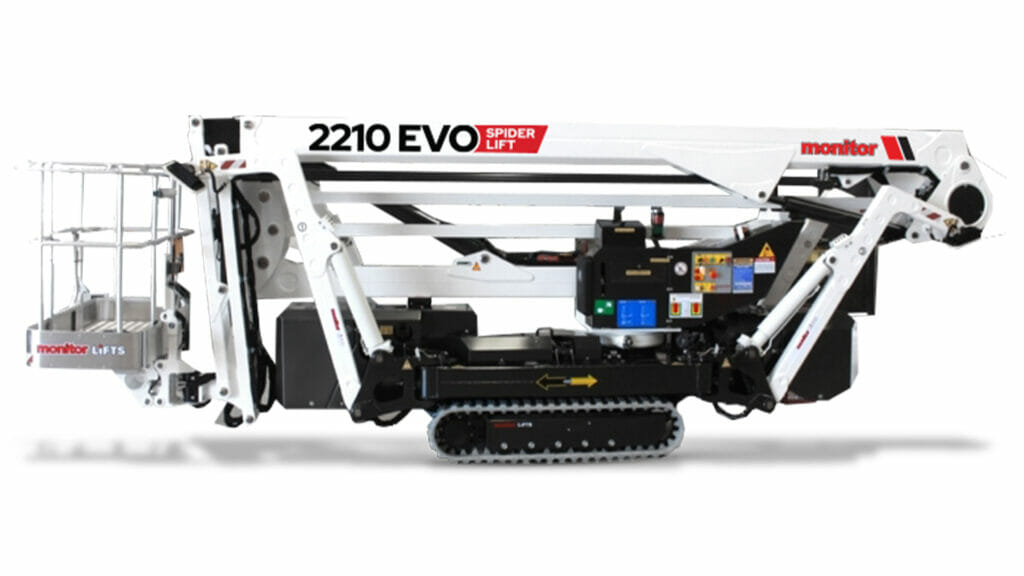
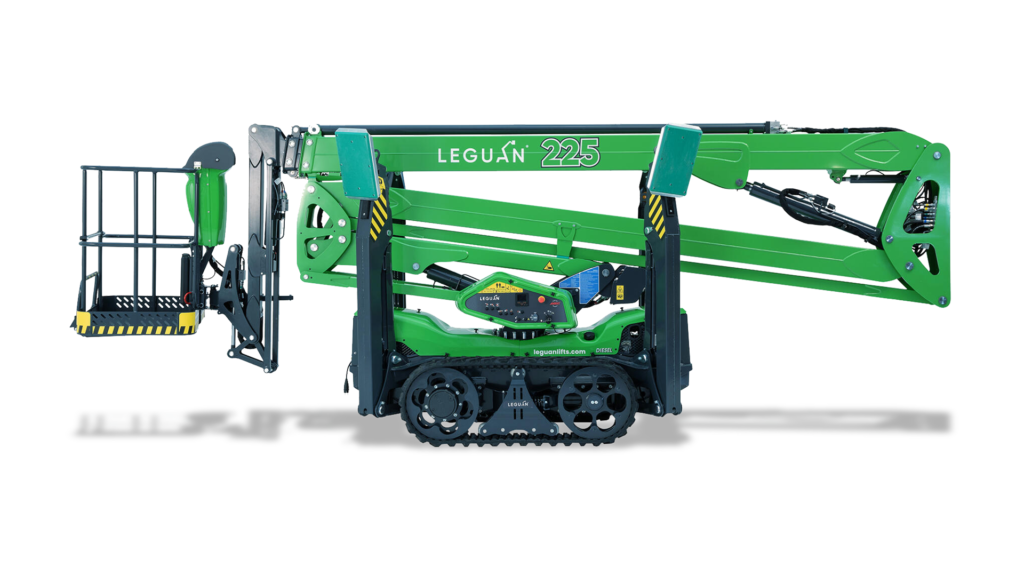
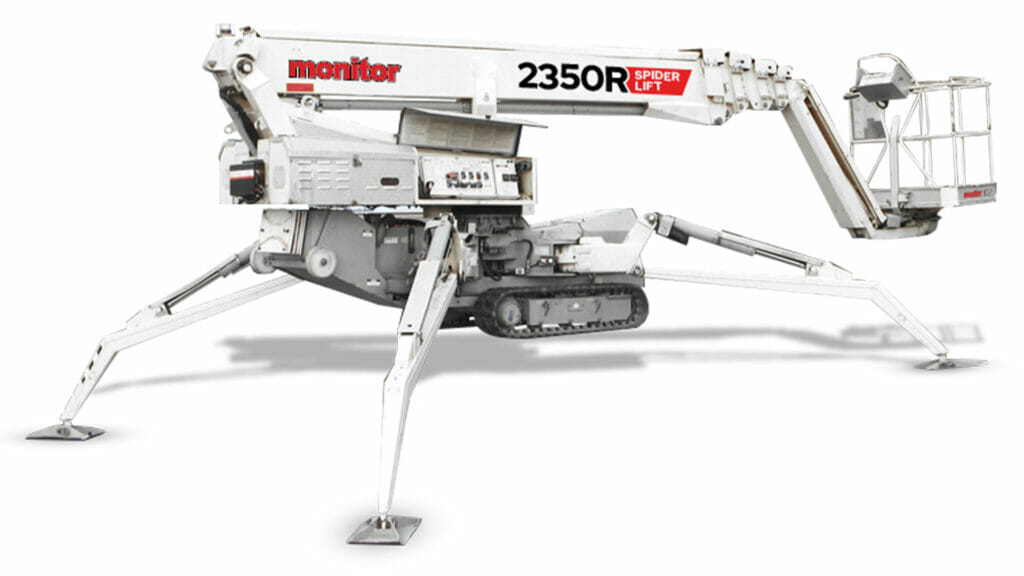
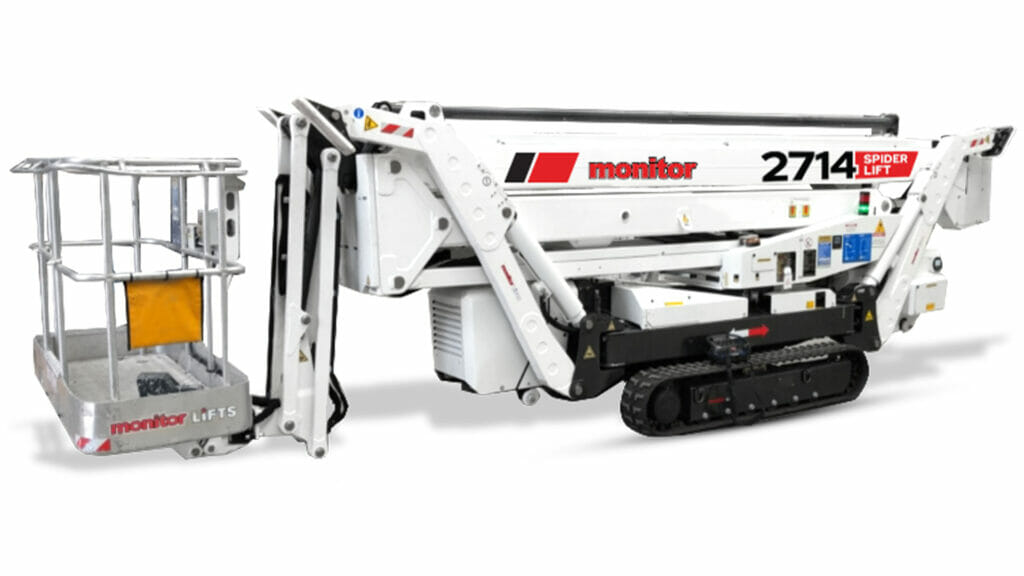
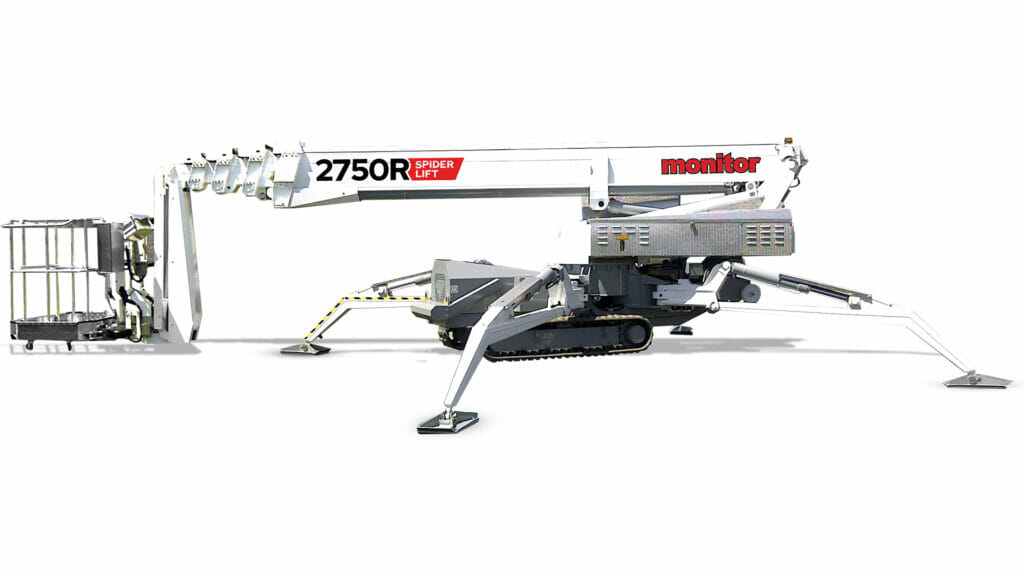
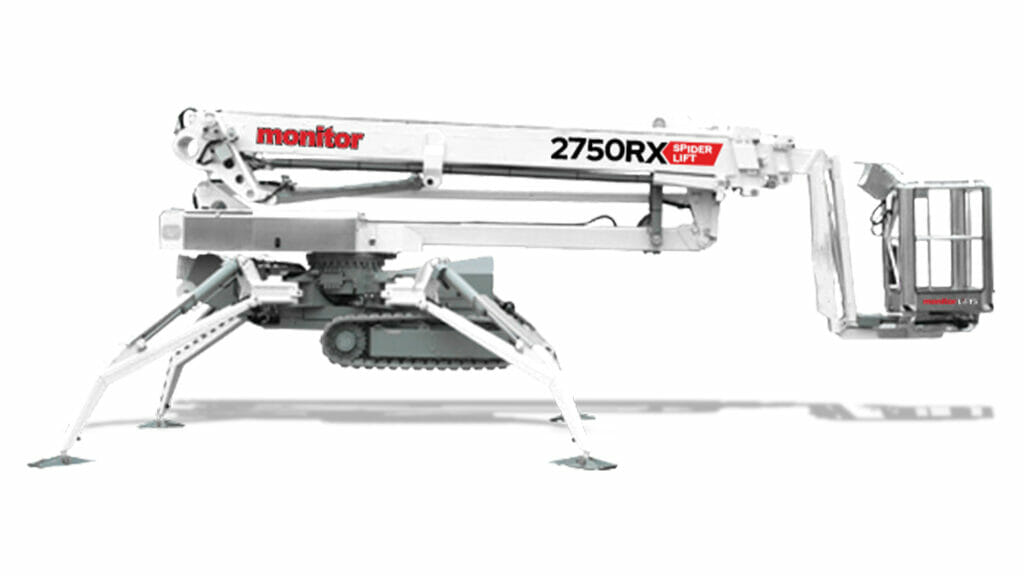
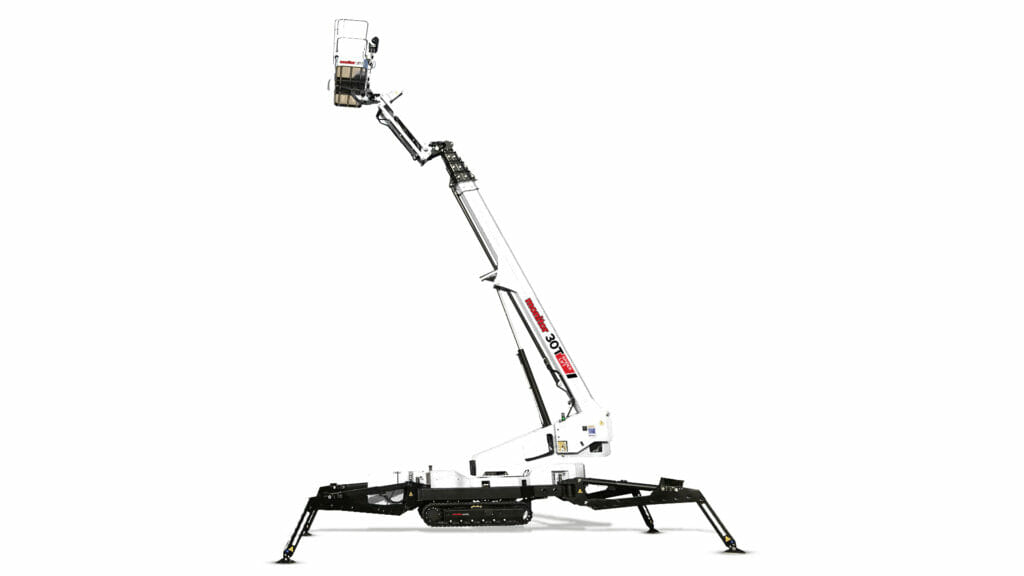
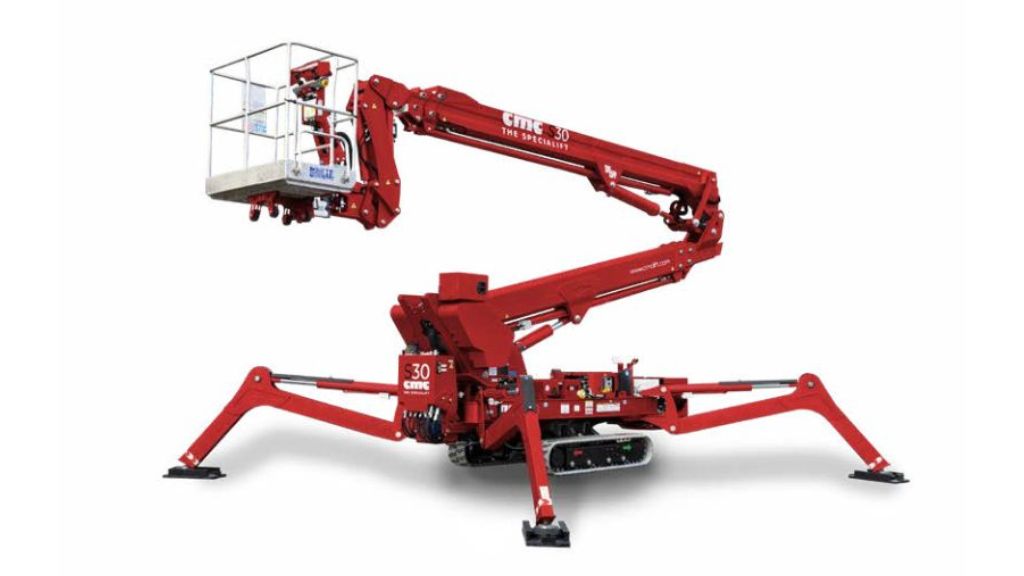
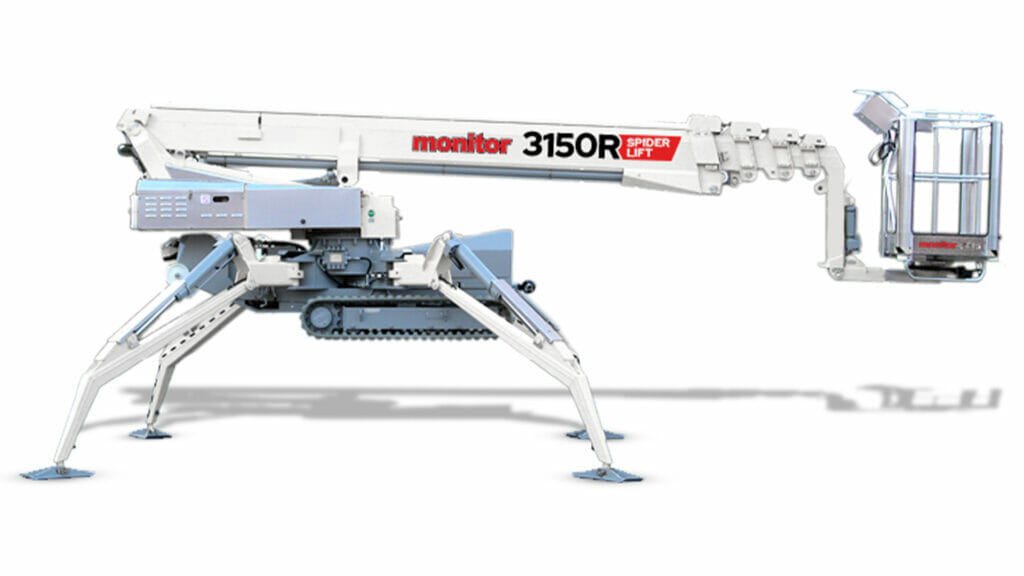
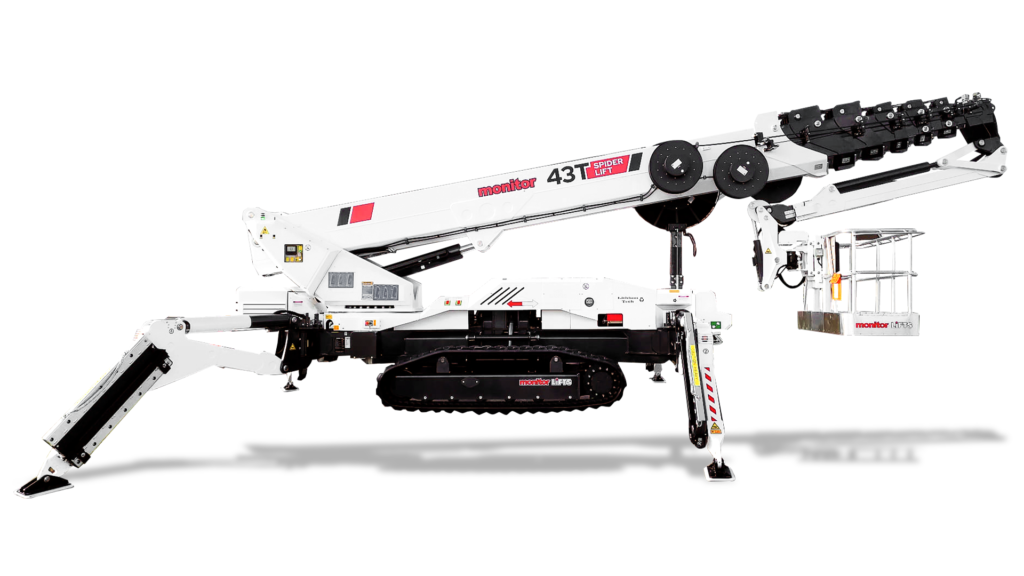
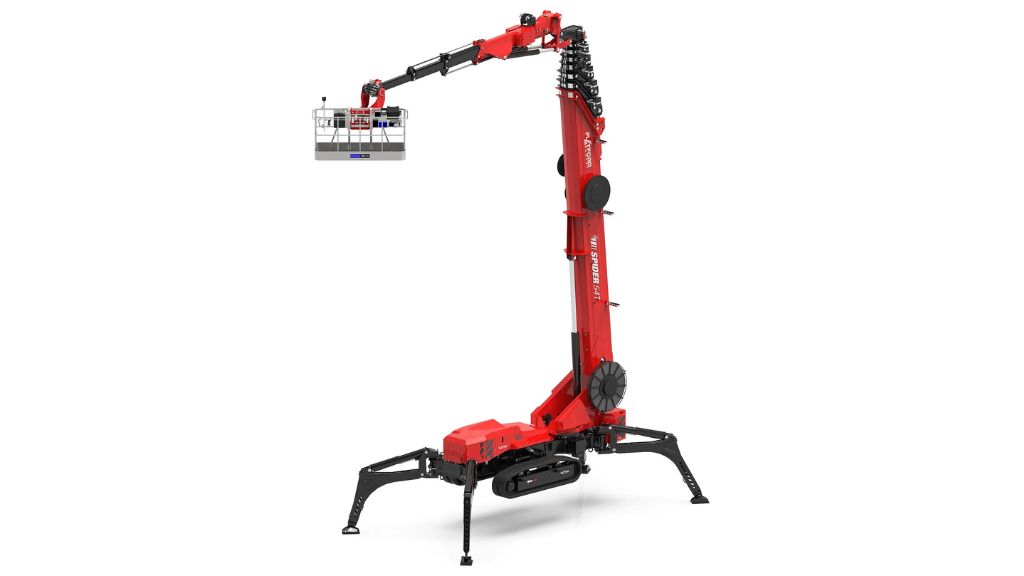
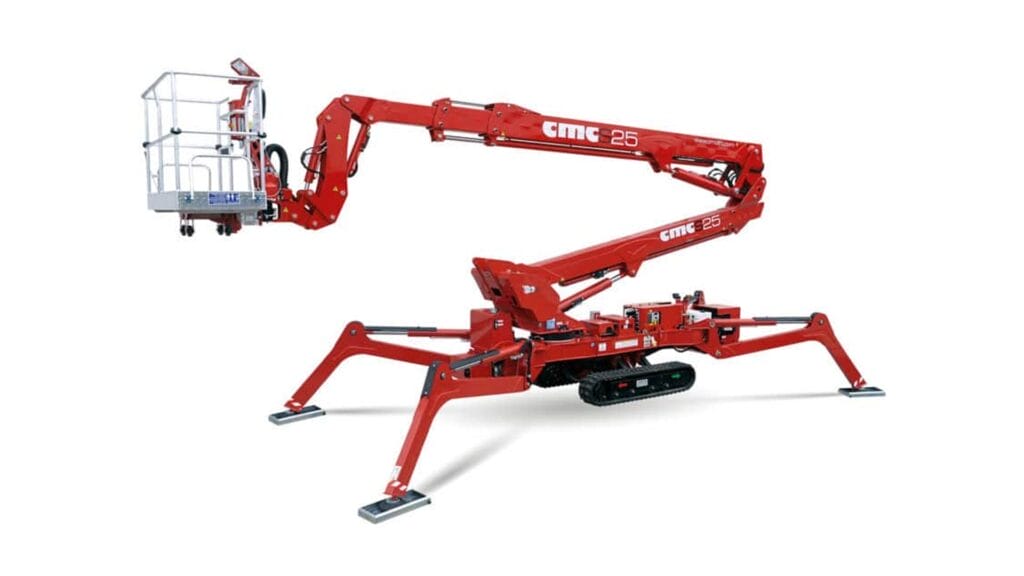
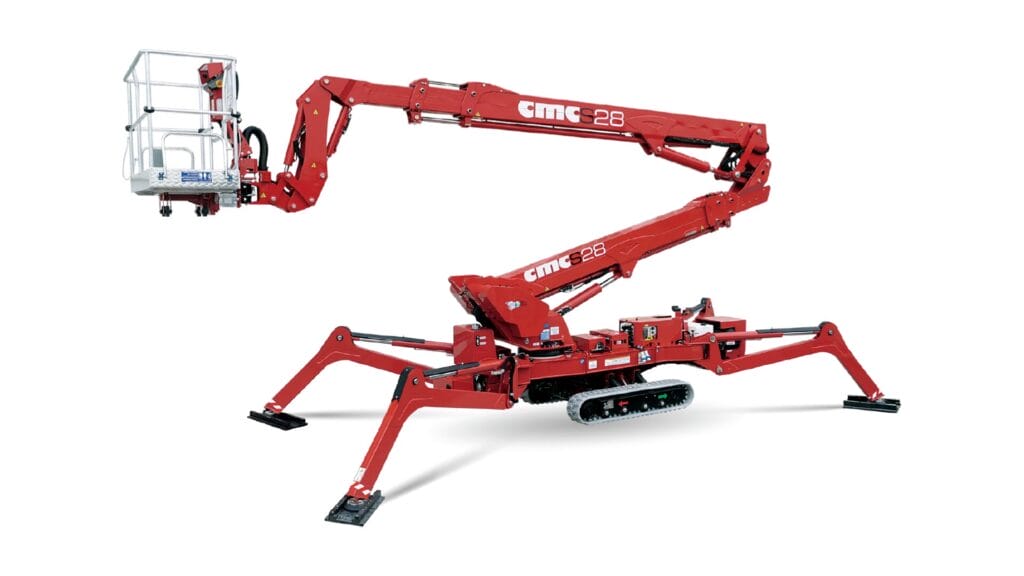
Access heights more efficiently, faster, and safer with Australiaâs most extensive range.
Spider lifts can reach working heights from around 12 metres up to an impressive 54 metres, depending on the model. This makes them ideal for a wide range of tasks, from tree trimming and building maintenance to utility work and large-scale construction projects. With their combination of height, outreach, and compact design, spider lifts provide safe access to hard-to-reach areas that traditional equipment canât easily reach.
The maximum outreach of a spider lift typically ranges from 6 metres to over 20 metres, depending on the model. Outreach refers to how far the platform can extend horizontally from the base while still safely supporting the load.
Yes, spider lifts are designed for both indoor and outdoor use.
Their compact size and lightweight design allow them to fit through standard doorways and manoeuvre in confined spaces such as warehouses, shopping centres, and atriums. Many models are fitted with non-marking rubber tracks, meaning they wonât damage or scuff delicate flooring â a key advantage over heavier access equipment.
Thanks to their dual power options that feature either a 240V electric motor or lithium battery pack, spider lifts can operate emissions free. This makes them ideal for working indoors as it allows the operator to work silently and allows for easy communication with the ground crew.
Their light weight and small stowed dimensions allow spider lifts to operate on fragile surfaces such as tiles, in high rise buildings, and around domestic properties without causing damage.
Outdoors, spider lifts are purpose-built for tough conditions. With independent outriggers and automatic levelling systems, they can safely set up on slopes of up to 25° and operate on uneven or soft ground such as grass, gravel, or inclines. This makes them a reliable solution for arborists, utilities, construction, hire fleets, and maintenance teams working across varied terrain.
Certain spider lift models are built with off-road capability, allowing them to be used in wet, muddy, or soft ground conditions where traditional EWPs would struggle. Their tracked undercarriage spreads weight evenly, reducing ground pressure, while independent outriggers with auto-levelling provide stability even on unstable surfaces.
Yes, in most cases you do. In Australia, if the spider lift has a platform height of 11 metres or more, operators are legally required to hold a High Risk Work Licence. For spider lifts under 11 metres, a licence is not mandatory, but employers and hire companies typically require operators to complete an EWP training course (Yellow Card) to ensure safe use.
Spider lifts are designed for fast setup, typically taking 3â5 minutes. With auto-levelling outriggers and pre-fitted outrigger pads, they can be stabilised quickly on flat, uneven, or sloped ground, reducing downtime and making them one of the quickest EWPs to deploy safely.
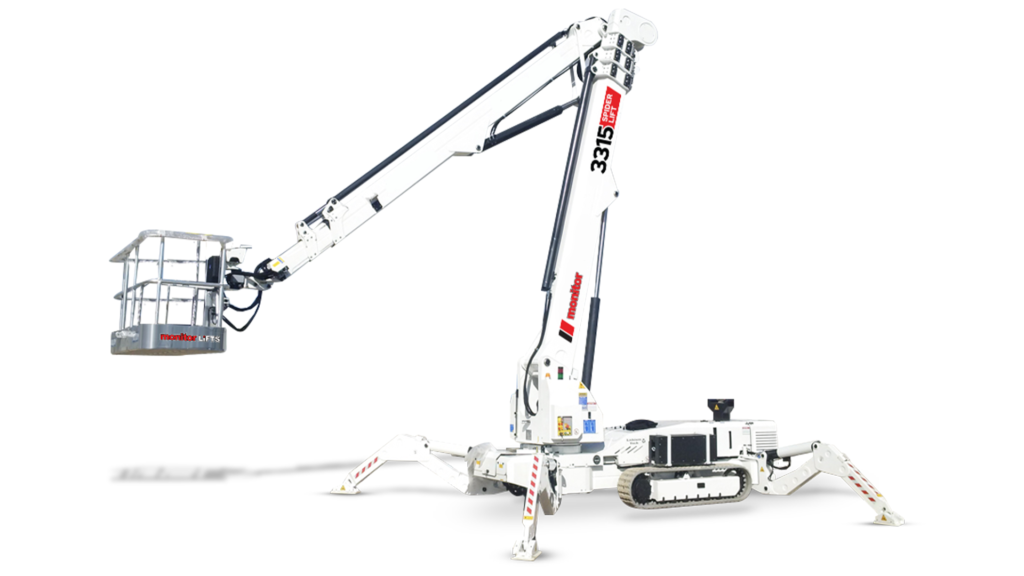
A high quality machine will have a long service life if itâs properly taken care of. Spider lifts should have a quarterly service every 3 months, and an annual service every year.
Australian Standards also require a 10 year rebuild/recertification for spider lifts, followed by a rebuild every 5 years.
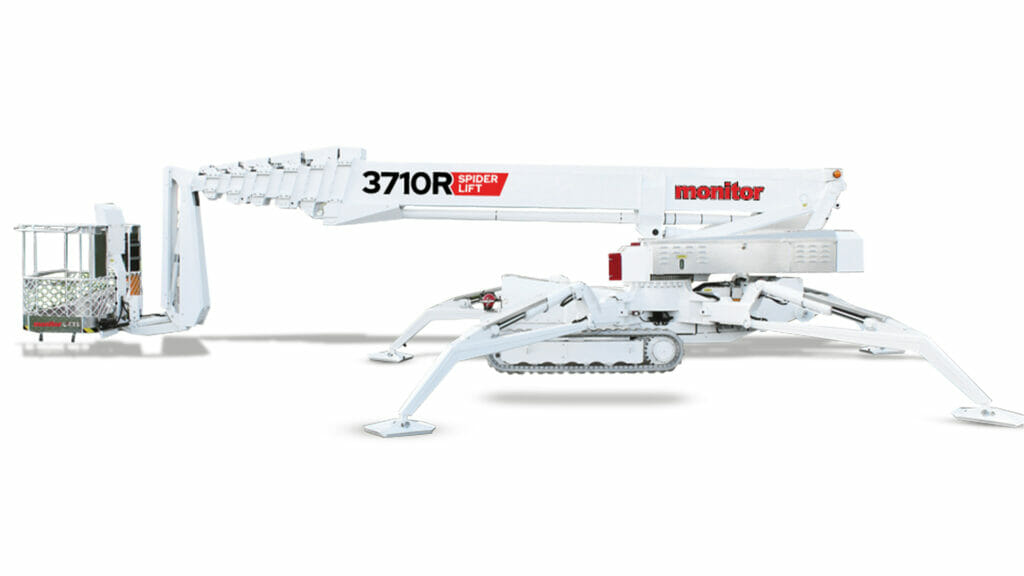
Yes, all spider lifts supplied by Monitor are fully compliant with Australian safety standards and regulations. We invest significant time and resources to ensure every machine meets or exceeds the strict requirements for elevated work platforms (EWPs).
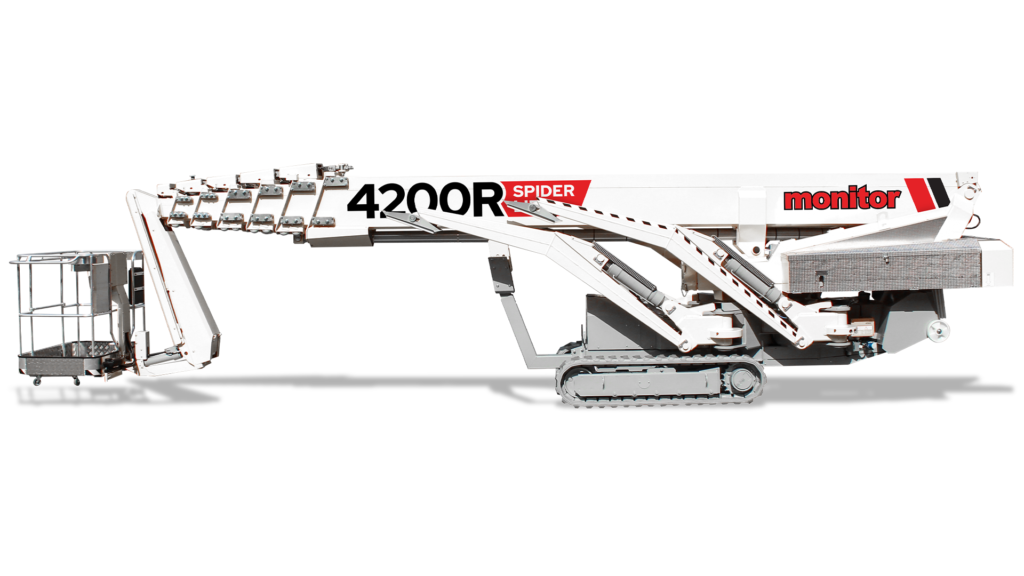
Our in-house engineering team works closely with suppliers and regulators to design, adapt, and certify spider lifts for the Australian market. Every unit undergoes rigorous testing, inspections, and compliance checks by our skilled technicians before delivery. This ensures machines not only meet AS/NZS safety standards but also perform safely in the unique conditions found across Australia.
At Monitor, safety is our top priority â backed by our engineering expertise and commitment to going above and beyond compliance.
To operate a spider lift safely in Australia, training depends on the machine size:
Over 11 metres: A High Risk Work Licence (WP â Work Platform) is legally required.
Under 11 metres: A licence isnât mandatory, but most employers and hire companies require a Yellow Card (EWP training).
At Monitor, we also provide a thorough handover with every machine, led by our highly trained technicians. This includes practical demonstrations, safety checks, and operation guidance to ensure operators are confident and compliant before using the equipment on site.
Spider lifts are a specialised Elevating Work Platform (or EWP), designed to help people work safely at heights.
One of the most versatile types of EWP in Australia, spider lifts have many features that make them ideal for arborists. Spider lifts:
Importantly, for the same height, spider lifts are considerably lighter than a standard boom lift. For example, where a boom lift weighs 5.2 tonnes, a spider lift with similar specs will weigh just 1.79 tonnes. This means they have a considerable advantage in setting up in domestic areas where space is at a premium.
Yes. Thanks to their dual power options that feature either a 240V electric motor or lithium battery pack, spider lifts can operate emissions free. This makes them ideal for working indoors as it allows the operator to work silently and allows for easy communication with the ground crew.
Their light weight and small stowed dimensions allow spider lifts to operate on fragile surfaces such as tiles, in high rise buildings, and around domestic properties without causing damage.
Spider lifts offer the right combination of safety, efficiency, and adaptability that many businesses can benefit from. These include:
Â
Arborists
Using a spider lift helps arborists avoid the dangerous task of having to climb trees all day, every day. They help increase safety and prevent fatigue for workers.
Â
Spider lifts can also be a more cost effective solution for arborist businesses than paying professional tree climbers.
Â
Tradies
Painters, electricians, and plumbers can all benefit from using a spider lift. The machine avoids the need for scaffolding, offers quicker set up time, and allows tradies to access difficult areas more efficiently.
Â
Property Maintenance
A spider lift helps property maintenance workers to clean windows from a solid platform without the use of scaffolding. Their light weight and narrow dimensions mean workers can easily access almost any application.
Â
Telecommunications
With their rubber track design and light weight (making transport for these machines more cost effective), spider lifts can traverse rough terrain such as fire trails to access telecommunications towers.
Â
Electrical authorities
Spider lifts can help electrical workers to operate in and around the confined spaces of a substation. And since they are towable behind most vehicles, they can be used almost anywhere.
Spider lifts are available in either knuckle boom or stick boom configuration. Each has its advantages.
Â
Knuckle booms are crucial in an application which requires âup and overâ reach. For example, if youâre an arborist needing the clearance to reach over a fence or other obstacle to access a work area, a knuckle boom will achieve this.
Â
Stick boom lifts on the other hand have no tail swing, which allows you to achieve maximum outreach at a lower vertical reach in most situations. This is ideal when you need a large outreach in an area with overhead obstacles above the machine, such as a roof in an indoor application.
Many spider lifts can be ordered with a fly jib, a smaller boom that allows you to make finer movements at reach. By only moving the small fly jib, you wonât sway the main boom, making the job much more stable, safer, and much easier to get the job done.
A high quality machine will have a long service life if itâs properly taken care of. Spider lifts should have a quarterly service every 3 months, and an annual service (you guessed it!) every year.
Australian Standards also require a 10 year rebuild/recertification for spider lifts, followed by a rebuild every 5 years.
Yes â spider lifts are most suitable for use on sloping terrain, since they are self-propelled and allow you to track across rough and uneven terrain to reach your work site. They can be set up on slopes of up to 25 degrees without any packing, and on even steeper slopes with the correct packing technique.
Spider lifts range in size from 12 metres to 43 metres vertical working reach, and from 7.5 metres to 18.7 metres horizontal working outreach. Their weight ranges from 1.8 tonne to 13.6 tonne.
Â
In terms of basket capacity, youâll find models ranging from one man 120Kg Max Rated Capacity (MRC) all the way up to the larger three man 330Kg MRC.
There are many different factors to consider when choosing the ideal spider lift for your business. Some EWPs are best suited to domestic applications, while others are ideal for commercial work.
Â
Download our âWhich spider lift for which job?â eBook to find out more.
Some spider lifts offer the option of a rotating basket, allowing you to approach your work at an angle. This can help you deal with obstructions, but still face directly on to the working area. A rotating basket can make it far easier to reach particular areas of a tree.
There are four ways to identify the Max Rated Capacity (MRC) of a machine:
Â
To ensure you are working within the spider liftâs MRC, make sure you consider the weight of tools, harnesses and workers â in fact anything youâll have inside the basket. Some larger machines can have a safe working load of 330Kg or more.
There are two broad categories of accessories which are available, depending on the exact machine you choose. These are either factory fitted, or optional extras.
Factory fitted accessories
Â
Optional accessories
This will largely depend on the machine you opt for. From 12 to 20 metre spider lift can be towed with a 3.5 tonne GVM vehicle, while larger lifts may require a rigid truck, with its higher towing capacity.
Â
Yet even with a large spider lift, you wonât need to factor in the cost of a low loader with ramps and the like.
Monitor imported the very first spider lifts â made by Finnish company Leguan â into Australia in 1997. Today, Monitor are Australiaâs leading provider of spider lifts, and are still proudly importing quality Leguan products and two additional makes into the country.
Â
To find out how a spider lift could offer you a more efficient access solution, call Monitor on 1800 025 024 or contact us online.