Forst ST8D Wood Chipper: Built for Easy Servicing
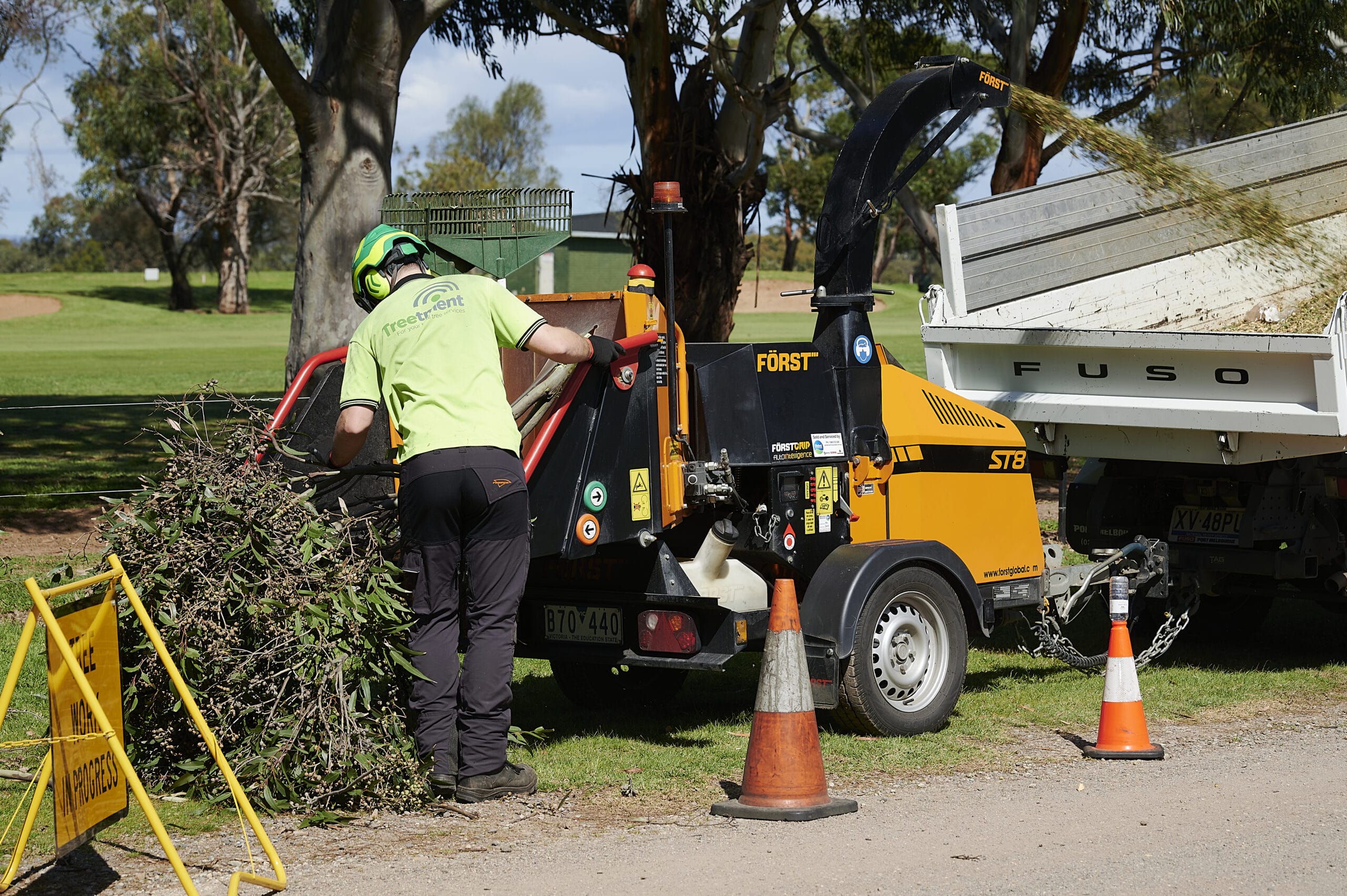
The Forst ST8D is designed to be one of the easiest wood chippers to service in the field, thanks to three features: a 2-minute anvil change, a single central greasing point, and an AutoIntelligence load-management system that reduces wear before it starts. For arborists, that combination means less time fixing the machine and more time on the tools.
A chipper doesn’t earn money sitting at the curb waiting on a repair. It earns money running — clearing brush between jobs, keeping pace with a crew that’s already moved on to the next tree. Every hour spent fixing the machine is an hour not billed. Most arborists judge a chipper on power and throughput and treat servicing as an afterthought. That’s backwards. The machine that makes the most money over its working life isn’t the one that chips fastest on day one — it’s the one that’s easiest to keep running week after week.
1. A 2-Minute Anvil Change
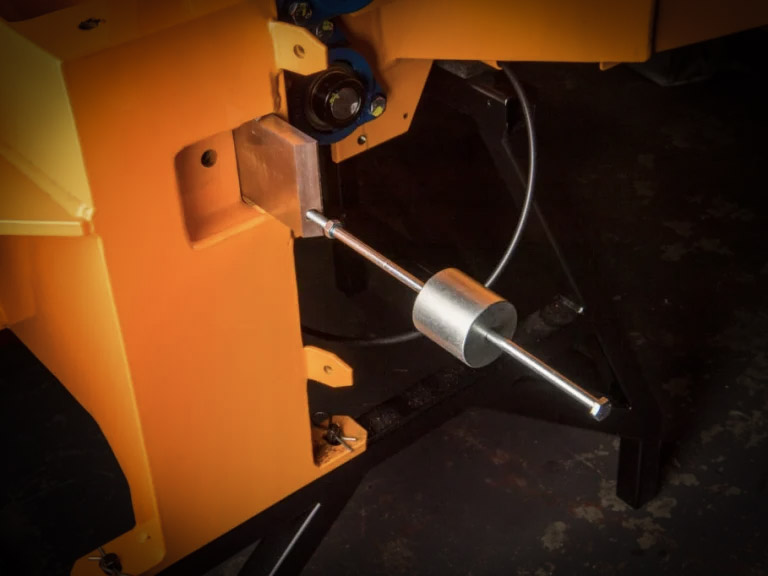
The Forst ST8D’s anvil can be replaced in about two minutes, without removing structural panels or realigning the flywheel. The anvil is the fixed bar the flywheel’s twin 10-inch blades shear against. As it wears, or picks up a nick from a stray nail or a stone lodged in bark, the gap between blade and anvil widens. Chip quality drops, the engine works harder for less output, and the machine starts feeling sluggish on timber it used to handle easily.
On most chippers, replacing the anvil means shutting down, pulling housing panels, and working through a fiddly bolt pattern for 30 minutes or more. On the ST8D, the anvil sits behind a dedicated access point on the flywheel housing instead. The process:
1. Shut down the engine and engage the handbrake.
2. Open the anvil access point directly.
3. Release the retaining hardware and slide the worn anvil out as a single unit.
4. Fit the replacement, which seats into the same fixed position — no re-alignment needed.
For a solo arborist or a small crew working a full day of removals, that’s the difference between a short pause between jobs and losing the rest of the afternoon to a part that should never have taken that long.
2. One Central Greasing Point
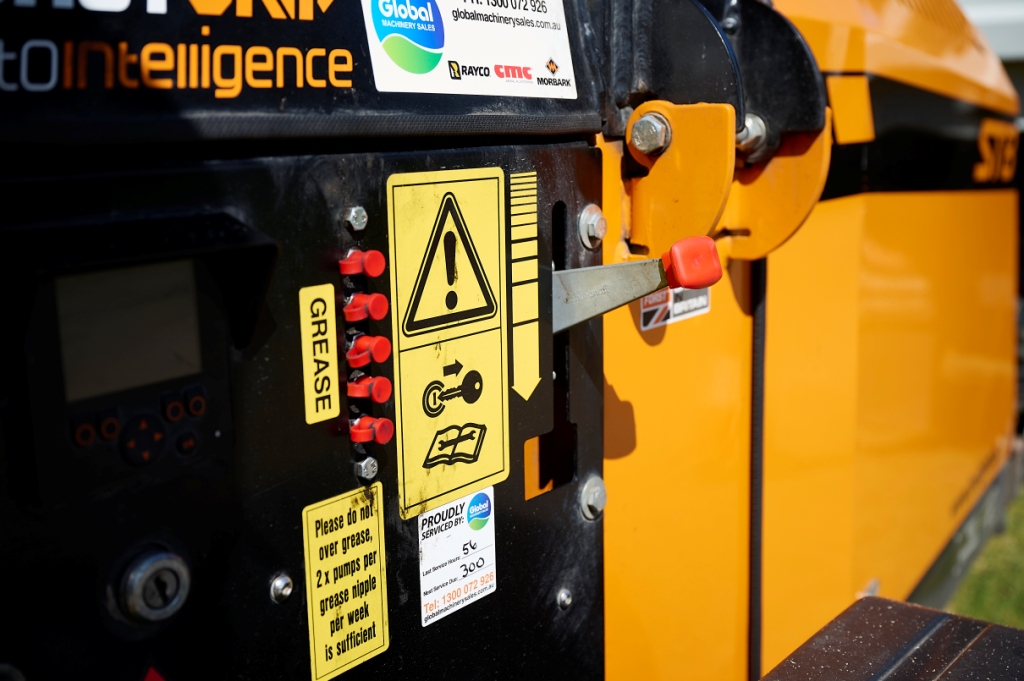
The ST8D consolidates all of its regular greasing needs into a single point on the chassis, rather than spreading them across multiple hard-to-reach fittings. Every chipper has multiple points — bearings, pivots, drive components — that need regular grease to avoid premature wear. When those points are scattered across the chassis, they’re easy to miss, especially at the end of a long day when the priority is packing up and getting to the next site.
With one spot to hit before you close up the trailer, greasing goes from a job that gets skipped to one that gets done as a matter of habit. Most premature bearing failures in chippers come down to inconsistent greasing, not manufacturing defects — so making the job trivially easy is a direct, practical fix for the single most common cause of unplanned downtime.
3. AutoIntelligence: Servicing the Operating Process, Not Just the Parts
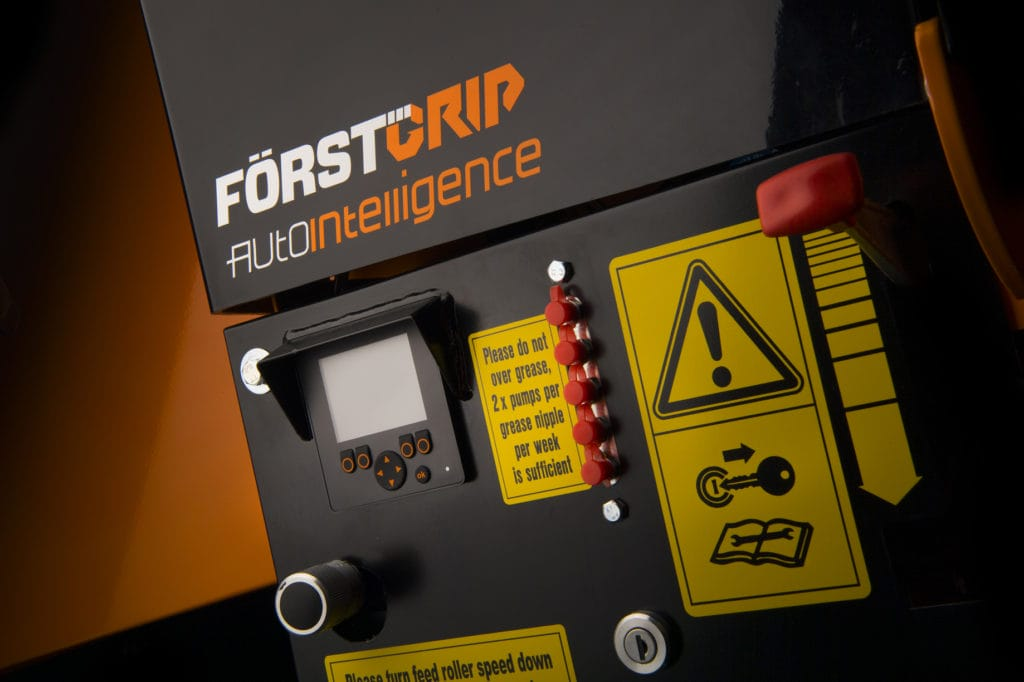
The ST8D’s AutoIntelligence No Stress Device automatically adjusts feed rate to match engine load, reducing the jams and stalls that cause the most expensive kind of chipper damage. Servicing isn’t only about replacing worn components — it’s also about preventing damage before it happens. Rather than leaving load management entirely to operator feel, the system monitors how hard the engine and feed system are working and adjusts the feed rate to keep the machine inside a safe operating range.
This addresses one of the most common causes of chipper damage: jams and stalls caused by feeding timber faster than the machine can process it — an easy mistake when you’re moving quickly through a big brush pile at the end of a job. A jam doesn’t just cost the time it takes to clear; it can shock-load the flywheel, drive belt, and feed rollers, accelerating wear on parts that are far more expensive to replace than an anvil. The control interface is built for job-site conditions too — fully water and vibration-proof touch pads keep working through wet weather and rough terrain.
Why the Combination Matters
Any one of these features on its own would be a useful improvement. Together, they cover the three main categories of chipper maintenance an arborist actually deals with: fast repair of a high-wear part (the anvil), prevention of the most common cause of premature bearing failure (the central greasing point), and reduction of the operating stress that damages the rest of the machine before it needs repair (AutoIntelligence). The result is more predictable days, fewer unplanned interruptions, and a machine that holds its performance between services instead of gradually degrading until something breaks.
Takeaway
A chipper’s real value isn’t measured by how it performs on a spec sheet — it’s measured by how much of the working year it’s actually available to run. The Forst Chipper fast anvil access, single greasing point, and automatic load management are all aimed at the same outcome: less time fixing the machine, more time on the tools.
If your crew is losing hours to maintenance that shouldn’t take hours, book a demonstration with the Monitor team. FÖRST Wood Chippers