Short answer: Choose a spider lift when access is tight, soft or sloping, and a truck mounted EWP when crews need to move quickly between sites on firm ground. Spider lifts are tracked and compact. Truck mounted EWPs are road-registered, so you drive to site and set up in minutes.
Last updated: October 2026 · By the Monitor team
Working at height brings tight access, uneven terrain, limited time and safety risk. Whether you work in tree care, civil works, utilities, telco, building, or run an EWP hire fleet, the right elevated work platform (EWP) cuts downtime and keeps crews safer. Spider lifts and truck mounted EWPs are two of the most capable options in Australia, and each wins on different jobs.
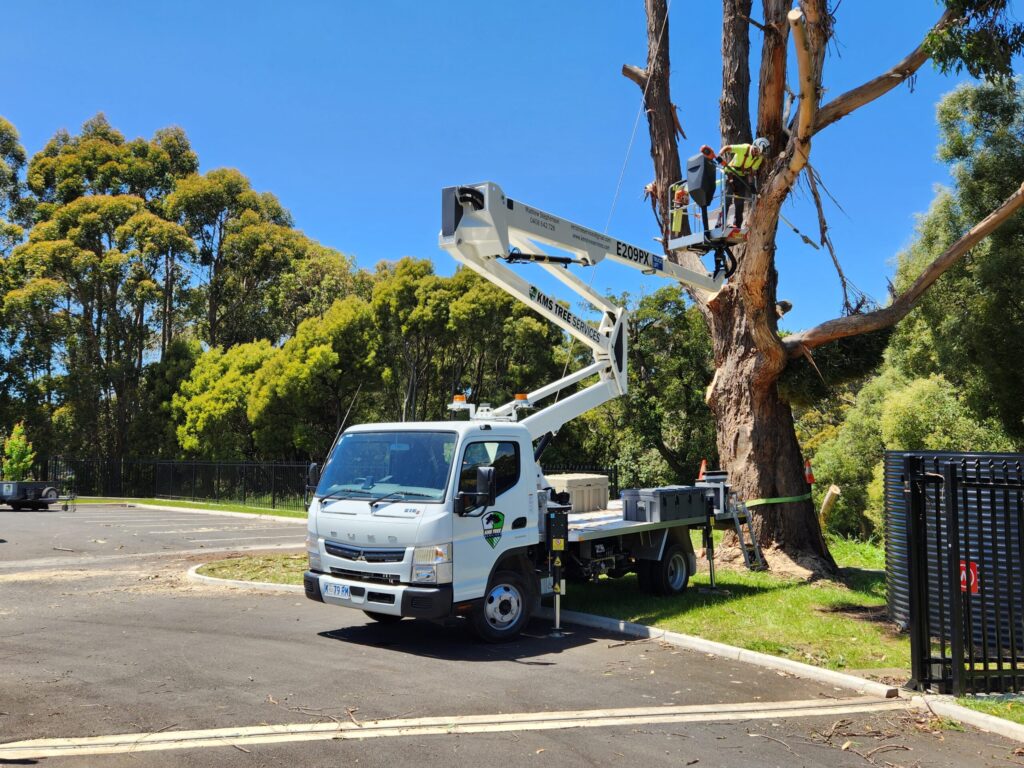
Monitor E209PX Truck Mounted EWP on a Fuso 515 chassis with boom raised
What is the difference between a spider lift and a truck mounted EWP?
A spider lift is a tracked, compact EWP built to reach places other machines cannot. A truck mounted EWP is a boom lift fixed to a truck or ute, so it travels on the road and works from the kerb or hardstand. The first is about access. The second is about speed and mobility between sites.
Monitor supplies both. Browse the spider lifts and EWPs range and the truck mounted lifts range to compare models.
When does a spider lift suit the job?
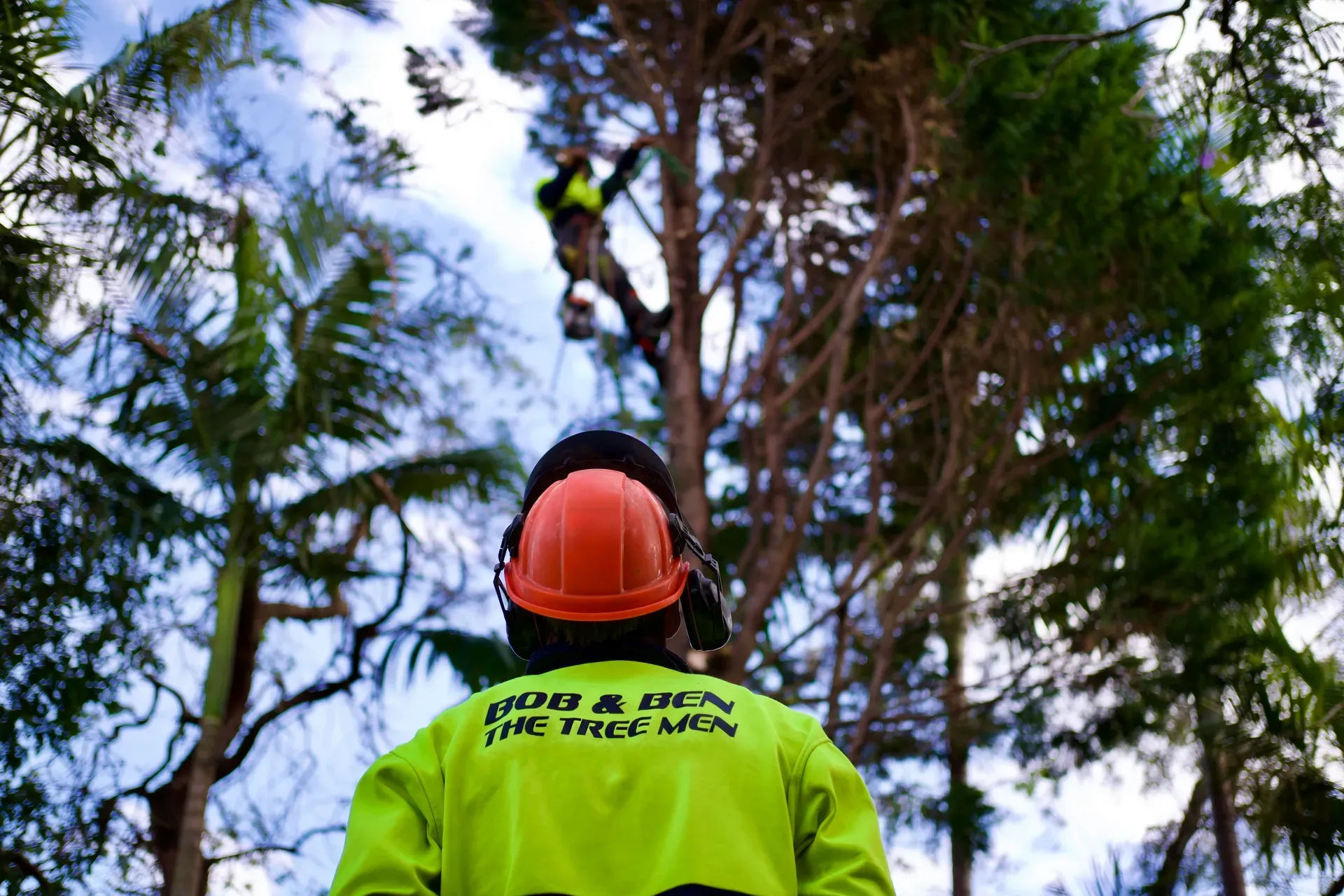
Spider lifts suit residential tree work, infrastructure inspections, heritage site maintenance and any job on sloped or soft ground. Arborists, councils, civil contractors, telco technicians and hire companies use them for the same reason: they get in where a truck cannot. Monitor lists spider lifts from 12 m to 54 m working height. Typical advantages include:
- Fast setup: about 2 to 3 minutes or the Leguan 195 is set up in 55 seconds.
- Narrow width: as narrow as 780 mm to fit gates, paths and doors.
- Light weight: from around 1.8 t, which suits turf, gardens and pavers.
- Slope capability: gradients up to 25°.
- Power options: diesel, electric and hybrid models are available.
- Smart features: non-marking tracks, auto-level outriggers and radio remote controls.
Whether the job is a backyard, a bush corridor or a railway easement, a spider lift gives access, safety and control where a truck cannot park or set its stabilisers.
When does a truck mounted EWP suit the job?
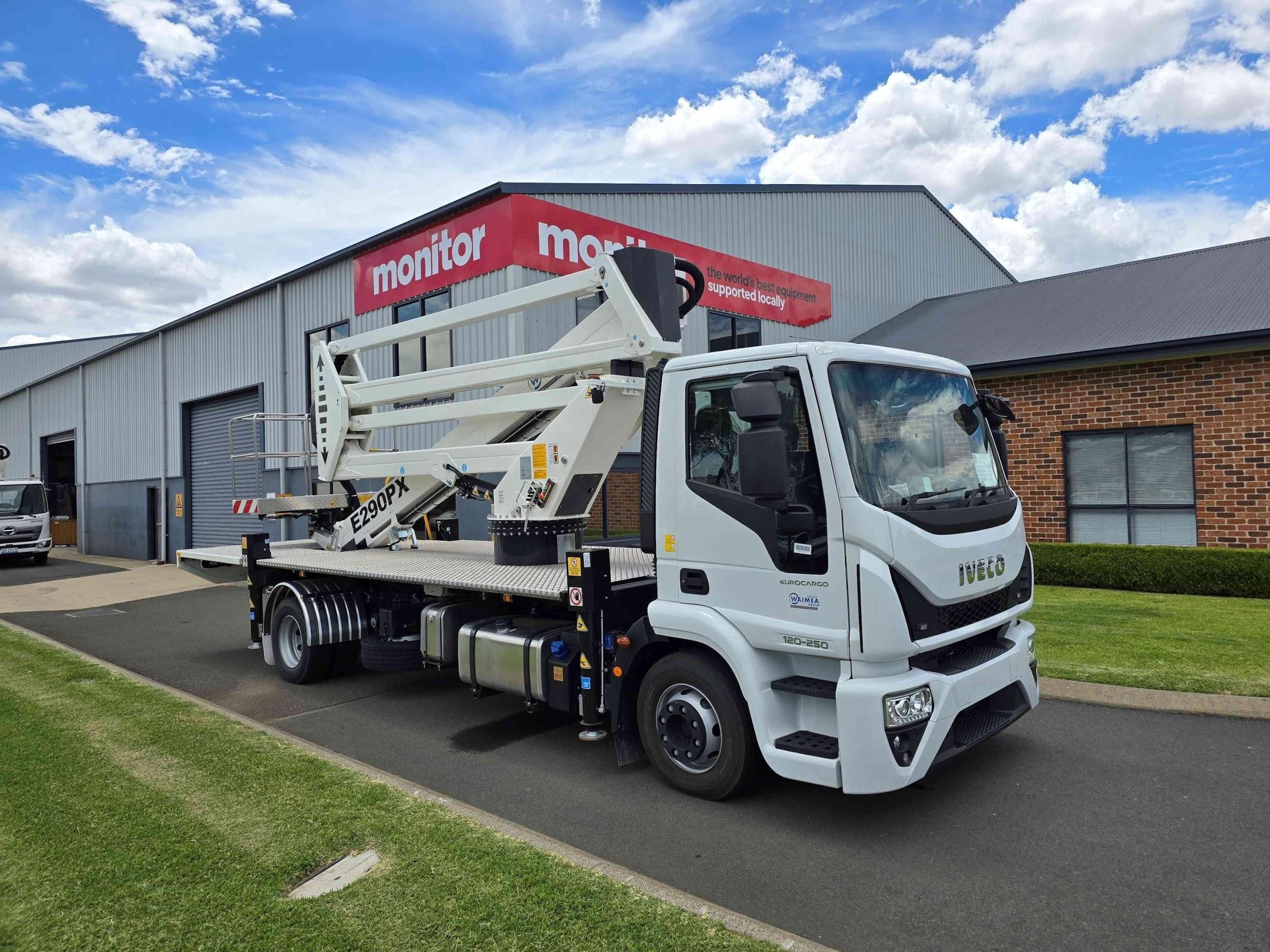
A truck mounted EWP suits crews that need to get in and out of several sites a day. Council verge pruning, powerline clearance, signage and building envelope work are typical examples. These road-registered machines are popular with utilities, signage crews, civil contractors and hire businesses, and they are built for sealed, level ground.
- Rapid deployment: roughly 3 to 5 minutes to set up.
- Working height: Monitor’s truck mounted range runs from 13.2 m to 28.7 m working height.
- No trailer: drive to site, set the stabilisers and raise the boom.
- Car licence options
Best-fit work includes street tree pruning and verge maintenance, overhead powerline and telco work, construction site access and council infrastructure inspections.
The limitation: a truck mounted EWP needs firm, level access. It is not ideal for tight residential spaces, underground areas or rough terrain, which is where a spider lift excels.
Which EWP suits your industry?
Match the machine to the access, not the trade alone. This guide shows the usual best fit by industry:
| Industry | Best fit |
|---|---|
| Arboriculture | Spider lifts: tight access and uneven ground |
| Utilities and telco | Truck mounted EWPs: multi-site roadside access |
| Building and construction | Spider lifts for internal and external work; truck mounted EWPs for fast roof access |
| Civil and mining | Spider lifts for off-road, slope-capable work; truck mounted EWPs for stable sites |
| Councils and parks | Both: spider lifts for parks, truck mounted EWPs for roadside work |
| Hire companies | Both: spider lifts for versatility, truck mounted EWPs for easy transport |
Utilities and telco crews in particular work along roads, which is why a truck mounted EWP is usually the fit. See Monitor’s utilities equipment range for the wider mix on those sites.
What does the Monitor E209PX truck mounted EWP offer?
The Monitor E209PX is a compact truck mounted EWP built on a Fuso 515 chassis. It pairs a double-articulating boom and telescopic top section with almost zero tail swing, so crews can work close to roadside obstacles. The Fuso 515 version is listed on Monitor’s hire page as a car licence vehicle.
| Specification | Monitor E209PX |
|---|---|
| Working height | 19.9 m |
| Platform height | 18.2 m |
| Outreach | 8.5 m |
| Platform capacity | 220 kg, 2 persons |
| Boom | Double-articulating with telescopic top section |
| Turret rotation | 450° |
| Platform rotation | 140° |
| Chassis | Fuso 515 4×2, 150 hp, automated manual transmission |
| Gross vehicle mass | 4,495 kg |
Specifications from the May 2026 E209PX brochure. E&OE and subject to change. See the Monitor E209PX Fuso 515 product page for the latest details. A 4×4 version is also available and needs a light rigid licence.
Should you buy, hire or finance a truck mounted EWP?
Buy if the machine will work most weeks, hire if demand is seasonal or you want to trial a model first. Monitor lists trucks for truck mounted lift hire with working height, outreach, capacity and licence shown for each. If you plan to own, the Hire-To-Own program and finance calculator help compare options.